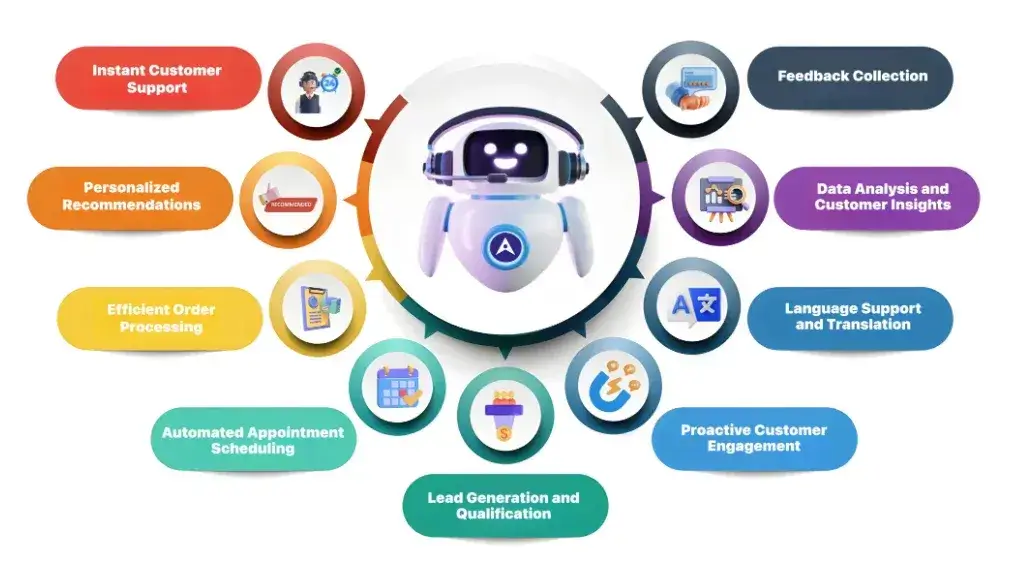

In today’s fast-paced digital world, customer expectations have skyrocketed. They demand instant responses, personalized assistance, and seamless experiences across every interaction with a business. This rising demand has pushed companies to explore innovative solutions, and one of the most transformative technologies in recent years is AI-powered chatbots. Understanding how to automate customer support with AI chatbots is no longer a luxury; it has become a strategic necessity for businesses aiming to enhance customer satisfaction while optimizing operational efficiency.
AI chatbots are designed to simulate human-like conversations, enabling businesses to provide round-the-clock support without the limitations of traditional customer service teams. By automating routine queries, such as order tracking, FAQs, or basic troubleshooting, businesses can reduce response times dramatically. This not only improves the overall customer experience but also allows human agents to focus on more complex and value-driven tasks, creating a balanced and efficient support system.
Moreover, AI chatbots are continually evolving through machine learning, natural language processing, and advanced analytics. They don’t just respond—they learn from every interaction, offering smarter and more contextually relevant solutions over time. Businesses that adopt AI-driven automation for customer support gain a competitive edge, as they can handle larger volumes of inquiries, maintain consistent service quality, and reduce operational costs simultaneously.
What Are AI Chatbots?
AI chatbots are advanced software programs designed to simulate human conversation through text or voice interactions. Unlike traditional rule-based chat systems that can only respond to pre-defined commands, AI chatbots leverage artificial intelligence, natural language processing (NLP), and machine learning to understand user intent, interpret context, and provide meaningful responses. This makes them capable of handling a wide range of customer inquiries, from simple questions about business hours to more complex requests such as troubleshooting or personalized product recommendations.
The core strength of AI chatbots lies in their ability to continuously learn and adapt. Every interaction provides data that the chatbot can analyze to improve its responses, recognize patterns, and anticipate customer needs. Over time, this enables businesses to offer increasingly accurate and human-like support without the need for constant manual updates. AI chatbots can also be integrated with multiple platforms, including websites, mobile apps, social media channels, and messaging services, ensuring that customers receive consistent support wherever they engage with the brand.
Another significant advantage is scalability. While human support teams have limitations in terms of availability and workload, AI chatbots can handle thousands of interactions simultaneously without compromising response quality. This allows businesses to maintain a high level of service even during peak demand periods. By automating routine tasks, AI chatbots free human agents to focus on more strategic, high-value interactions, creating a more efficient and effective support ecosystem.
Benefits of Automating Customer Support
Automating customer support with AI chatbots brings a multitude of benefits that can fundamentally transform how businesses interact with their customers. One of the most significant advantages is 24/7 availability. Unlike human agents who have limited working hours, AI chatbots can respond to customer inquiries at any time of day or night. This constant accessibility ensures that customers receive instant assistance whenever they need it, which not only improves satisfaction but also strengthens brand loyalty. In a world where consumers expect immediate responses, having a round-the-clock support system can set a business apart from competitors.
Another major benefit is cost efficiency. Maintaining a large customer support team can be expensive, especially for businesses experiencing high volumes of inquiries. AI chatbots reduce the workload of human agents by handling repetitive and routine queries automatically. This allows companies to allocate resources more strategically, focusing human talent on complex issues that require empathy, judgment, or specialized knowledge. Over time, the reduction in operational costs, combined with improved productivity, delivers a substantial return on investment for businesses adopting automated support solutions.
In addition to availability and cost savings, automating customer support enhances the overall customer experience. AI chatbots can provide consistent, accurate, and personalized responses, minimizing human error and ensuring uniform quality across all interactions. By analyzing previous conversations and user behavior, chatbots can tailor responses to individual customers, anticipate needs, and offer proactive assistance. This level of personalization creates a smoother, more engaging experience, encouraging customers to return and fostering long-term loyalty.
Steps to Implement AI Chatbots for Customer Support
- Assess Business Needs and Customer Pain Points – Begin by analyzing the areas where your customers require the most support. Identify repetitive queries, common issues, and processes that can be automated. Understanding these pain points ensures your chatbot delivers real value and improves efficiency.
- Choose the Right AI Chatbot Platform – Research and select a platform that aligns with your business size, industry, and technical capabilities. Look for features like natural language processing, integration options, multilingual support, and scalability to ensure long-term effectiveness.
- Design Conversation Flows – Map out the dialogue your chatbot will use to interact with customers. Create clear paths for common inquiries, branching logic for complex questions, and fallback responses for situations the bot cannot handle. This ensures smooth and natural communication.
- Integrate with Existing Systems – Connect your chatbot to CRM systems, helpdesk software, e-commerce platforms, or other tools. Integration allows the bot to access relevant customer information, provide personalized responses, and streamline overall support workflows.
- Train the Chatbot – Feed your chatbot with data, FAQs, and sample interactions. Use machine learning capabilities to help it understand language nuances, customer intent, and contextual clues, enabling more accurate and intelligent responses.
- Test and Refine – Conduct rigorous testing to identify gaps, errors, or awkward interactions. Gather feedback from real users, monitor performance, and continuously refine the chatbot’s responses to improve its accuracy and customer satisfaction.
- Launch and Monitor Performance – Once deployed, track key metrics such as response times, resolution rates, and customer satisfaction. Regular monitoring allows you to optimize the chatbot continuously and ensure it meets evolving customer expectations.
- Plan for Human Handoffs – Determine scenarios where the chatbot should transfer the conversation to a human agent. This ensures complex queries are handled effectively, maintaining a seamless customer experience.
Best Practices for Effective AI Chatbots
To maximize the benefits of AI chatbots in customer support, businesses must follow several best practices that ensure smooth and effective interactions. First and foremost, it is crucial to design the chatbot experience around the customer. This means understanding the types of questions users commonly ask and creating responses that are natural, helpful, and contextually relevant. A well-designed chatbot should feel intuitive, guiding customers to solutions quickly without causing frustration or confusion.
Equally important is knowing when to involve a human agent. While AI chatbots can handle many routine queries, they cannot fully replace the empathy, judgment, and problem-solving skills of human support staff. Effective chatbots must include mechanisms for seamlessly transferring conversations to humans when queries become too complex or sensitive. This handoff ensures that customers always receive accurate assistance while maintaining satisfaction and trust.
Another key practice is continuous learning and improvement. AI chatbots should be regularly updated based on user interactions, feedback, and emerging trends in customer behavior. By analyzing past conversations, businesses can identify gaps, refine responses, and enhance the chatbot’s understanding of intent and context. Personalization is also critical; chatbots that can recognize returning customers, track preferences, and provide tailored recommendations create a more engaging and memorable support experience.
Challenges and Solutions in AI Chatbot Implementation
- Handling Complex Queries – One of the biggest challenges is that AI chatbots may struggle with intricate or unusual customer requests. To overcome this, businesses should design a clear escalation path where complex queries are seamlessly handed over to human agents. Continuous training of the chatbot on edge cases can also improve its ability to handle a wider range of issues over time.
- Avoiding Robotic Responses – Many chatbots give generic or unnatural replies, which can frustrate customers. To solve this, implement natural language processing (NLP) and conversational design best practices. Personalize interactions by using customer names, context from previous conversations, and relevant product or service information to make responses feel human-like.
- Ensuring Data Privacy and Security – Chatbots handle sensitive customer information, which makes them targets for data breaches. Businesses must enforce strong encryption, comply with data protection regulations like GDPR, and limit access to sensitive data. Regular security audits and monitoring are crucial to maintain trust and protect customer information.
- Integration with Existing Systems – Sometimes chatbots fail to deliver a seamless experience because they aren’t properly connected to CRMs, helpdesk software, or e-commerce platforms. Proper integration ensures that chatbots can access the necessary data, provide personalized solutions, and maintain a consistent customer experience across channels.
- Measuring and Optimizing Performance – Without tracking metrics, it’s hard to know if the chatbot is effective. Monitor response times, resolution rates, and customer satisfaction scores. Use this data to refine conversation flows, improve accuracy, and enhance the overall customer experience continually.
Measuring the Success of Automated Customer Support
To ensure that AI chatbots are effectively enhancing customer support, it is essential to monitor and measure their performance using key metrics. One of the primary indicators of success is response time. Fast replies are a major factor in customer satisfaction, and chatbots excel in providing instant support. Tracking how quickly queries are addressed helps businesses evaluate the efficiency of their automated system and identify areas where improvements may be needed.
Another important metric is resolution rate, which measures the percentage of inquiries that the chatbot can handle successfully without human intervention. A high resolution rate indicates that the chatbot is effectively managing routine tasks and alleviating the workload on human agents. Conversely, a low rate can highlight gaps in the chatbot’s training or areas where conversation flows need refinement.
Customer satisfaction itself is a crucial measure of success. Feedback surveys, ratings, and sentiment analysis allow businesses to understand how users perceive the chatbot experience. Monitoring these insights helps organizations make data-driven decisions to improve interactions, address customer pain points, and increase loyalty.
Additionally, analyzing usage patterns and interaction trends provides valuable information on which topics or processes are most frequently queried. This enables continuous optimization of the chatbot’s knowledge base and conversation design. By consistently tracking performance, adjusting strategies, and refining AI learning, businesses can ensure that their automated customer support not only operates efficiently but also consistently delivers a high-quality, satisfying experience for customers.
Future Trends in AI Customer Support
- AI-Powered Voice Assistants – The rise of voice-enabled AI assistants is changing how customers interact with support systems. Instead of typing queries, users can speak naturally, and AI chatbots can understand, interpret, and respond in real-time, offering faster and more convenient assistance.
- Predictive Support and Proactive Assistance – Future AI systems will not just react to customer inquiries but anticipate them. By analyzing behavior patterns, purchase history, and previous interactions, chatbots can provide proactive solutions, reminders, or recommendations, preventing issues before they arise.
- Integration with Omnichannel Support Platforms – Customers expect seamless support across multiple channels, including websites, mobile apps, social media, and messaging apps. AI chatbots are increasingly being integrated into omnichannel systems, ensuring consistent responses and personalized interactions regardless of the platform.
- Advanced Personalization Using AI – AI will become more adept at offering hyper-personalized experiences by analyzing customer data in real time. This includes personalized product recommendations, customized troubleshooting, and tailored promotions, improving engagement and loyalty.
- Continuous Learning and Self-Improvement – AI chatbots will increasingly learn from every interaction, automatically updating their knowledge base and improving conversational accuracy. This will reduce the need for constant manual training and allow support systems to evolve alongside customer needs.
- Enhanced Analytics for Business Insights – Future chatbots will not only assist customers but also provide actionable insights for businesses. Data from interactions will help identify trends, optimize operations, and shape strategic decisions in marketing, sales, and product development.
- Greater Adoption of AI Across Industries – As AI becomes more sophisticated and accessible, businesses across sectors—from e-commerce to healthcare—will adopt automated customer support, transforming how companies engage with customers globally.
FAQ:
What is an AI chatbot in customer support?
An AI chatbot is a software tool that uses artificial intelligence and natural language processing to simulate human-like conversations, providing instant responses and assistance to customers.
Can AI chatbots completely replace human agents?
No, while AI chatbots handle routine inquiries efficiently, complex issues still require human intervention for empathy, judgment, and personalized problem-solving.
What are the main benefits of using AI chatbots for customer support?
Key benefits include 24/7 availability, cost savings, faster response times, improved customer satisfaction, and the ability to handle high volumes of queries simultaneously.
How do I implement AI chatbots in my business?
Start by assessing customer needs, selecting a suitable platform, designing conversation flows, integrating with existing systems, training the bot, testing, and monitoring its performance.
Which industries can benefit from AI chatbots?
AI chatbots are widely used across e-commerce, healthcare, banking, travel, telecommunications, and many other sectors that require efficient customer support.
How do AI chatbots learn and improve over time?
Through machine learning, AI chatbots analyze interactions, identify patterns, and refine their responses to provide more accurate and contextually relevant solutions.
Are AI chatbots secure for handling customer data?
Yes, when implemented with strong encryption, access controls, and compliance with data protection regulations, AI chatbots can securely manage sensitive customer information.
What metrics should I track to measure chatbot success?
Monitor response time, resolution rate, customer satisfaction scores, usage patterns, and engagement levels to evaluate performance and make improvements.
Can AI chatbots provide personalized customer experiences?
Absolutely. Advanced AI chatbots use historical data and context to offer personalized recommendations, responses, and proactive assistance.
What are the future trends for AI chatbots in customer support?
Future trends include voice-enabled AI assistants, predictive support, omnichannel integration, advanced personalization, continuous learning, and broader adoption across industries.
Conclusion:
Automating customer support with AI chatbots has emerged as a game-changing strategy for businesses striving to enhance efficiency, reduce costs, and deliver exceptional customer experiences. By implementing AI-driven solutions, companies can provide instant, accurate, and personalized assistance around the clock, meeting the growing expectations of today’s digitally savvy consumers. The ability of AI chatbots to handle repetitive queries allows human agents to focus on more complex issues, creating a balanced support system that maximizes productivity and customer satisfaction.
Moreover, the continuous learning capabilities of AI chatbots ensure that they evolve with every interaction. They become smarter over time, offering more precise responses and anticipating customer needs before they escalate into problems. Businesses that embrace this technology gain a competitive edge by not only streamlining operations but also building stronger relationships with their customers. The insights derived from chatbot interactions further enable organizations to optimize support strategies, improve products, and enhance overall service quality.
